
10 Best Practices to Improve Warehouse Security

Distribution & Logistics: Supply Chain Security Services
🔐 Why Warehouse Security Matters More Than Ever
Warehouses today are not just storage units—they are mission-critical infrastructure. As inventory management grows more complex and expensive, security threats continue to evolve. In high-density cities like New York, NY, break-ins, internal theft, and inventory mismanagement can result in millions in losses.
That’s why it’s critical for businesses to partner with experienced providers like Warehouse Security Companies New York, New York who understand the unique urban risk landscape. From cloud-connected surveillance systems to 24/7 mobile patrols, these companies implement layers of protection that help reduce shrinkage, deter criminal activity, and maintain OSHA compliance.
The same holds true in expanding logistics hubs like Houston, TX, where ports and oil-related storage facilities are constant targets. Working with Warehouse Security Companies Houston, Texas ensures proactive monitoring and rapid incident response tailored to the industrial sector. These efforts also drive down insurance premiums, which is crucial for large-scale operators.
And in rapidly growing tech cities like Austin, companies face both physical and digital security threats. That’s why local specialists such as Warehouse Security Companies Austin, Texas offer hybrid systems with integrated cybersecurity protocols, card access control, and predictive threat analytics.
Warehousing is a linchpin for countless industries. No matter the size of your facility, protecting assets through customized and locally-informed security strategies is the best investment you can make today.
Warehouse crime doesn’t always make the headlines, but its financial toll is staggering. From stolen electronics in bustling coastal hubs like New York to equipment tampering in quieter cities like Indianapolis, security breaches drain productivity, damage reputation, and jeopardize customer trust. In fact, a single incident can shut down operations for days, impacting deliveries, disrupting contracts, and generating compliance violations that carry hefty fines.
Moreover, the rise in e-commerce has transformed traditional warehouses into dynamic fulfillment centers operating 24/7. These environments demand flexible security systems that evolve with fluctuating inventory levels and round-the-clock employee access. In cities like Phoenix and Fort Worth, where urban sprawl meets rapid industrial development, these pressures are magnified.
By investing in a robust warehouse security blueprint tailored to your region, you’re not only protecting physical goods—you’re securing jobs, brand integrity, and long-term growth. And with the insights in this guide, you’ll learn exactly how to do it right.
Purpose of This Guide
As incidents of warehouse theft and vandalism increase, businesses must adopt comprehensive security measures to protect their assets. The stakes are high, with warehouses storing goods worth millions of dollars. Without proper security, these goods are at risk, leading to substantial financial losses and operational disruptions.
Regulatory and compliance requirements also necessitate robust security protocols. Failure to adhere to these standards can result in severe penalties and reputational damage. Additionally, ensuring the safety of employees and visitors is paramount. A secure warehouse environment fosters a culture of safety and boosts employee morale, leading to increased productivity and efficiency. Here are:
🗺️ Tailored Strategies for Key U.S. Cities
Warehouse security isn’t one-size-fits-all. Every city has its own unique risk profile, infrastructure, and operational dynamics. That’s why it’s essential to tailor your security measures to meet local challenges. Here’s how you can fine-tune your protection strategy in key locations across the country.
✅ New York, NY
In a city where commercial space is tight and foot traffic is dense, warehouse break-ins can happen in broad daylight. Warehouse Security Companies New York, New York specialize in layered surveillance systems, controlled access points, and digital visitor logs that seamlessly integrate with smart city infrastructure. They also offer unarmed, uniformed officers trained to work discreetly around sensitive goods in vertical warehouses and multi-tenant buildings.
✅ Houston, TX
With its industrial footprint and proximity to international shipping ports, Houston faces unique threats including cargo theft and perimeter breaches. Warehouse Security Companies Houston, Texas use thermal imaging cameras and automated license plate recognition (ALPR) systems to secure inbound and outbound logistics zones. Many also deploy roving patrols equipped with real-time incident reporting tools that communicate directly with warehouse managers.
✅ Atlanta, GA
Strategically positioned as a logistics hub for the Southeast, Atlanta’s warehouses often serve multiple states. Warehouse Security Companies Atlanta, Georgia understand the importance of traffic flow analysis and gate control systems to prevent unauthorized vehicle entry. These companies also offer undercover security services for warehouses that experience recurring internal theft.
✅ Cincinnati, OH
As a Midwest distribution powerhouse, Cincinnati’s warehouse sector is growing rapidly. Warehouse Security Companies Cincinnati, Ohio provide advanced access management systems and warehouse layout consulting to optimize camera placements and eliminate blind spots. Their staff are trained to handle seasonal surges, especially during holiday retail peaks.
✅ Louisville, KY
Home to UPS’s global air hub, Louisville warehouses operate under tight timelines and immense pressure. Warehouse Security Companies Louisville, Kentucky deliver time-sensitive patrol and escort services, often coordinating with logistics schedules to ensure round-the-clock security during overnight shifts and weekend shipments.
✅ Dallas, TX
Dallas warehouses are often sprawling complexes housing high-value electronics and machinery. Warehouse Security Companies Dallas, Texas deploy AI-powered surveillance systems paired with mobile patrols to detect intrusion attempts before they escalate. They also assist in developing SOPs for staff to handle alarm events and manage emergency evacuations.
✅ Indianapolis, IN
In a city where warehousing and agriculture intersect, Warehouse Security Companies Indianapolis, Indiana bring experience in both physical and perimeter security. Their services often include live-monitored video feeds, climate-sensitive storage area checks, and employee screening tools to minimize risks from within.
✅ Columbus, OH
Columbus has emerged as a logistics corridor linking the East Coast and Midwest. Warehouse Security Companies Columbus, Ohio use AI to monitor loading dock movements and streamline incident documentation through mobile app integrations. Their local presence ensures rapid deployment of response teams in case of emergencies.
✅ Fort Worth, TX
Fort Worth’s combination of suburban warehouses and industrial parks calls for hybrid security models. Warehouse Security Companies Fort Worth, Texas offer smart fencing systems, geofencing alerts, and vehicle check-in kiosks to secure freight staging areas and remote storage yards.
✅ Austin, TX
Tech and e-commerce giants in Austin demand high-security fulfillment centers. Warehouse Security Companies Austin, Texas provide facial recognition tech, restricted access zones, and real-time visitor logging synced to the cloud. Their guards are trained in non-disruptive monitoring to maintain a productive, fast-paced warehouse environment.
✅ Phoenix, AZ
Phoenix’s dry climate and vast warehouse zones introduce fire risk in addition to theft. Warehouse Security Companies Phoenix, Arizona excel in integrating smoke and thermal sensors with their patrol routines. They also provide climate checks and monitor external HVAC units which are often targeted for copper theft.
10 Best Practices to Improve Warehouse Security
🧠 Best Practice #1: Conduct Regular Security Risk Assessments

The foundation of an effective warehouse security plan begins with a detailed risk assessment. Every facility has unique vulnerabilities depending on its layout, location, employee count, and type of goods stored. A one-time walkthrough isn’t enough—warehouses must commit to quarterly or biannual audits to stay ahead of emerging threats.
Start by mapping high-traffic areas like loading docks, storage racks, entry/exit points, and isolated storage bays. These zones are often targeted for both external theft and internal misappropriation. A thorough inspection should also include lighting conditions, alarm system functionality, and blind spots in your surveillance coverage.
Businesses in Cincinnati, OH and Columbus, OH are already leading by example. By working with local professionals like Warehouse Security Companies Cincinnati, Ohio and Warehouse Security Companies Columbus, Ohio, companies receive comprehensive audit reports that include vulnerability scoring, suggested upgrades, and employee training gaps.
These assessments also extend to digital threats. As more warehouses adopt cloud-based inventory systems and IoT integrations, cybersecurity audits must be included in the overall risk profile. Password protocols, firewall protections, and access credentialing should be reviewed regularly in consultation with local security experts.
Most importantly, risk assessments are a proactive tool. They allow companies to address weak points before they turn into liabilities. Whether you operate a 10,000-square-foot facility in Indianapolis or a 100,000-square-foot logistics hub in Dallas, consistent risk evaluations will not only save costs but also provide peace of mind.
Security isn’t static—and your warehouse defenses shouldn’t be either.
Install Advanced Surveillance Systems
📹 Best Practice #2: Install Smart Surveillance Systems
Surveillance technology has evolved far beyond traditional CCTV. Today’s smart security systems offer high-definition imaging, motion tracking, AI-powered threat detection, and cloud-based access from mobile devices. Installing smart surveillance systems is no longer a luxury—it’s a necessity for every warehouse facility.
Facilities in major hubs like Atlanta and Indianapolis have seen remarkable reductions in theft and unauthorized access after adopting cutting-edge monitoring systems. These systems use real-time facial recognition, behavior analytics, and auto-alerting features that notify managers the moment something looks suspicious.
Warehouse Security Companies Atlanta, Georgia and Warehouse Security Companies Indianapolis, Indiana lead the way by offering warehouse clients integrated video management systems that pair with physical security teams. When guards are supported by intelligent cameras, incident response times are cut in half and false alarms drop significantly.
Additionally, modern systems are designed for remote access—ideal for facility managers who oversee multiple warehouses or who travel frequently. Whether you’re managing a tech inventory in Austin or a pharmaceutical stockpile in Phoenix, being able to check live feeds and archived footage from a smartphone or laptop gives you 24/7 control.
Many systems now feature automated storage of evidence in the cloud, eliminating the risk of video loss due to hardware failure or tampering. Businesses in Dallas are increasingly opting for scalable solutions with multiple camera zones that cover loading bays, parking areas, and storage rows in high resolution.
Smart surveillance isn’t just about capturing footage—it’s about interpreting behavior, predicting threats, and providing a reliable audit trail when something goes wrong. It’s time to upgrade from reactive to proactive monitoring, especially in cities where warehouse crime rates are climbing.
By collaborating with specialized teams like Warehouse Security Companies Dallas, Texas and their counterparts nationwide, your facility gains the technological edge needed to outsmart today’s threats before they become tomorrow’s losses.
🚪 Best Practice #3: Limit and Monitor Access Points
Controlling who enters and exits your facility is a crucial pillar of warehouse security. With hundreds of employees, contractors, delivery drivers, and visitors moving through a typical site each week, unmonitored access becomes a significant liability. This is why implementing access control protocols and technologies is essential.
Smart access management systems—featuring card readers, biometric scanners, and mobile authentication—enable real-time control over who is allowed to enter restricted areas. By integrating these systems with surveillance cameras and logging software, warehouses in cities like Louisville and Dallas are able to create airtight accountability.
Warehouse Security Companies Louisville, Kentucky are pioneers in deploying access systems that regulate personnel based on shifts and role-specific permissions. This is especially helpful in logistics hubs where shift changes are frequent and temporary workers are part of the operational model.
In Dallas, Warehouse Security Companies Dallas, Texas pair gate-entry solutions with license plate recognition (LPR) to monitor vehicle access. These setups are perfect for larger facilities with expansive delivery yards or multiple loading zones.
Restricting access is also about behavior control. When staff members know that entry points are closely monitored and recorded, compliance improves. Badges must be worn at all times, unauthorized tailgating becomes a rare occurrence, and emergency lockdowns become more efficient.
Data analytics from access logs can help security managers identify suspicious trends such as employees entering off-hours or repeated failed access attempts. These insights feed into your broader risk profile and allow security adjustments before actual incidents occur.
Warehouses in Columbus and Austin are beginning to implement visitor self-check-in kiosks linked to identity verification tools. Combined with geofencing and real-time access dashboards, the result is a robust perimeter that starts at the door—and doesn’t end until every entry and exit is accounted for.
👮 Best Practice #4: Hire Trained On-Site Security Guards

While technology plays a critical role in warehouse security, nothing can replace the physical presence and human judgment of professionally trained security officers. Guards serve as both a visible deterrent and a rapid response force in the event of emergencies or unauthorized activity.
In high-volume environments like Fort Worth, warehouse managers rely on Warehouse Security Companies Fort Worth, Texas to supply uniformed guards trained in patrol strategies, access control, and emergency response coordination. These officers are often cross-trained to manage visitor check-ins and ensure safe traffic flow in shared dock areas.
In Phoenix, where sprawling warehouses face risks ranging from copper theft to unauthorized drone surveillance, Warehouse Security Companies Phoenix, Arizona offer guards equipped with GPS-enabled devices for real-time location monitoring and mobile reporting. Their presence not only reduces theft but boosts employee confidence and operational efficiency.
What separates top-tier warehouse security officers from average ones is their specialized training. This includes conflict de-escalation, fire safety, incident documentation, and knowledge of OSHA compliance requirements. Many guards also undergo site-specific orientation, allowing them to become familiar with a facility’s layout, alarm zones, and critical equipment.
In regions like New York and Houston, on-site guards frequently work in tandem with surveillance tech and cloud-based alert systems. Warehouse Security Companies New York, New York and Warehouse Security Companies Houston, Texas provide rapid response teams and shift coverage strategies for warehouses operating around the clock.
The mere presence of trained personnel acts as a psychological deterrent to both internal misconduct and external threats. It signals to employees and potential intruders alike that your warehouse is actively monitored, professionally protected, and not to be trifled with. When paired with smart technology, security guards become the frontline defense that ties your entire protection strategy together.
🧾 Best Practice #5: Implement Inventory Control with RFID or Barcode
One of the most overlooked yet critical components of warehouse security is inventory tracking. Theft, misplacement, and inventory shrinkage can devastate a business’s bottom line, especially when manual logging or outdated systems are used. Implementing RFID (Radio Frequency Identification) or barcode scanning technologies is essential to safeguarding your stock and streamlining operations.
RFID allows for real-time tracking of every item, pallet, or container in your warehouse. Unlike traditional barcodes, RFID tags don’t require a direct line of sight to be scanned. They can be read remotely and simultaneously, making the process faster and significantly more accurate. This level of visibility empowers managers in New York and Houston to audit inventory without disrupting workflow.
Warehouse Security Companies New York, New York often recommend RFID systems for high-value warehouses such as electronics, fashion, or medical equipment. Meanwhile, Warehouse Security Companies Houston, Texas specialize in integrating these systems into larger logistics networks for oil, industrial goods, or automotive parts.
In Columbus, warehouses are pairing RFID with cloud-based dashboards that alert management of anomalies—like stock moving outside permitted areas or being scanned at off-hours. Warehouse Security Companies Columbus, Ohio ensure these alerts feed directly into their mobile patrol logs and digital incident reports.
Barcode systems, though slightly more manual, are still highly effective when deployed strategically. They are often preferred in Louisville and Cincinnati where warehouses manage high-turnover goods such as consumer products or seasonal inventory. Warehouse Security Companies Louisville, Kentucky offer barcode auditing tools tied to exit point scanners that catch last-minute thefts or accidental exits.
When paired with surveillance and access control, these inventory tools create a closed-loop security strategy. Every item entering or exiting the facility is documented and verified in real time. And with multi-location synchronization across warehouses in Dallas, Phoenix, and Austin, companies gain a macro-level view of inventory flow, shrinkage patterns, and operational efficiency.
If you’re not tracking your inventory digitally, you’re not securing it fully. RFID and barcode technologies give you both the insight and accountability needed to maintain accuracy, prevent theft, and build trust with vendors and clients alike.
🤖 Best Practice #6: Leverage AI for Predictive Analytics
Artificial Intelligence (AI) is transforming warehouse security from a reactive necessity into a proactive, intelligent force. Instead of merely responding to incidents, AI-driven systems anticipate and prevent them by identifying unusual patterns, suspicious behavior, and operational anomalies before a breach occurs.
In Austin, warehouses are incorporating predictive analytics to detect early warning signs of theft and inefficiency. Warehouse Security Companies Austin, Texas deploy AI-powered video surveillance that can analyze body language, track motion heatmaps, and flag behaviors such as lingering, pacing, or unauthorized route deviation within a facility.
These systems go beyond traditional alerts. In Atlanta, Warehouse Security Companies Atlanta, Georgia utilize machine learning algorithms that self-improve over time. As the AI processes more footage, it adapts to the specific routines and rhythms of the site—eliminating false positives and delivering laser-accurate threat identification.
Predictive AI isn’t limited to visuals. In Indianapolis and Phoenix, AI-enhanced access control systems are paired with visitor management software that learns entry frequency patterns and raises red flags when access occurs at unexpected times or by unusual personnel. Warehouse Security Companies Indianapolis, Indiana integrate these insights with security dashboards for fast escalation.
Moreover, predictive systems help optimize workflows. By analyzing security and operational data, businesses in Fort Worth are reducing downtime, planning smarter staff schedules, and avoiding bottlenecks in dock areas. Warehouse Security Companies Fort Worth, Texas are pioneering AI-integrated solutions that link security with logistics to improve overall productivity.
The future of warehouse security isn’t just about stronger locks and sharper cameras—it’s about intelligence. Leveraging AI for predictive analytics ensures that your warehouse not only reacts to threats faster, but sees them coming before they arise. That’s the kind of security edge every modern warehouse should be investing in today.
🚨 Best Practice #7: Conduct Emergency Response Training
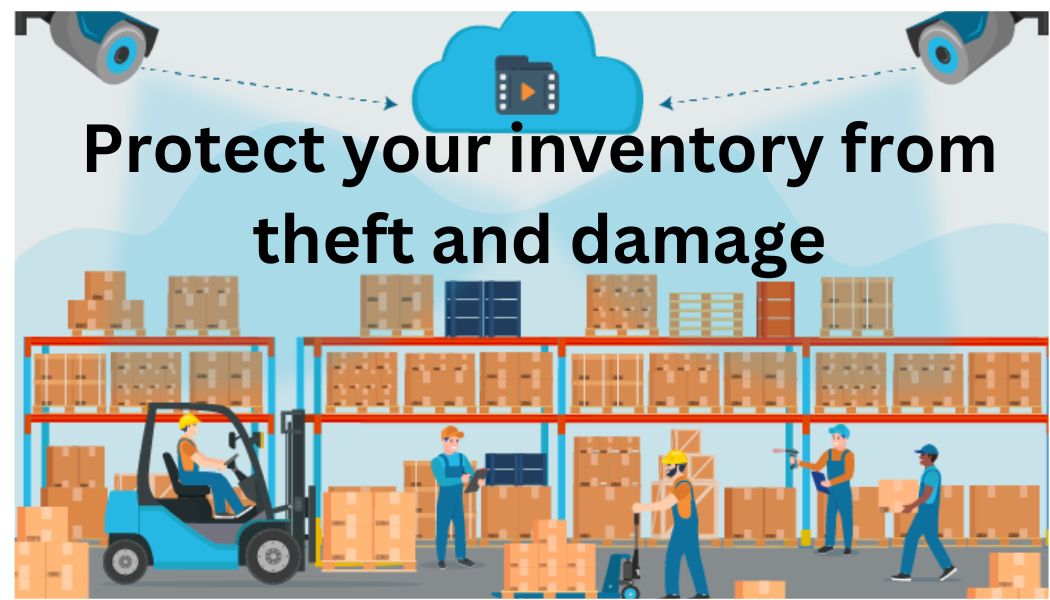
Even the most secure warehouses must prepare for unexpected emergencies. Whether it’s a fire, medical emergency, natural disaster, or security breach, every second counts. That’s why emergency response training is one of the most critical investments you can make in your people and infrastructure.
In cities like Columbus and Indianapolis, warehouses are partnering with local specialists such as Warehouse Security Companies Columbus, Ohio and Warehouse Security Companies Indianapolis, Indiana to implement comprehensive training modules. These cover evacuation drills, lockdown procedures, first-aid basics, communication protocols, and real-time coordination with local first responders.
A trained team can make the difference between chaos and control. In Dallas, warehouses are required to comply with strict OSHA safety standards. Warehouse Security Companies Dallas, Texas ensure that on-site personnel are drilled on fire exits, assembly zones, and incident reporting tools tailored to the facility’s unique layout.
Training is not a one-time activity—it must be ongoing. Seasonal changes, new hires, and updated floor plans all warrant regular re-training. In Louisville and Phoenix, emergency simulations are used to gauge response time, identify procedural weaknesses, and reinforce teamwork under pressure. Warehouse Security Companies Louisville, Kentucky offer on-site training assessments with live scenario role-play to instill muscle memory in employees.
Equally important is post-incident evaluation. By reviewing performance data, warehouses in New York and Austin are improving both the speed and accuracy of their emergency responses. Warehouse Security Companies New York, New York guide businesses through creating after-action reports that refine protocols, reduce liability, and strengthen overall preparedness.
Your employees are your first responders. Empowering them with knowledge, confidence, and clearly defined procedures transforms fear into readiness. And in today’s high-risk landscape, readiness is everything.
Even the most secure warehouses must prepare for unexpected emergencies. Whether it’s a fire, medical emergency, natural disaster, or security breach, every second counts. That’s why emergency response training is one of the most critical investments you can make in your people and infrastructure.
In cities like Columbus and Indianapolis, warehouses are partnering with local specialists such as Warehouse Security Companies Columbus, Ohio and Warehouse Security Companies Indianapolis, Indiana to implement comprehensive training modules. These cover evacuation drills, lockdown procedures, first-aid basics, communication protocols, and real-time coordination with local first responders.
A trained team can make the difference between chaos and control. In Dallas, warehouses are required to comply with strict OSHA safety standards. Warehouse Security Companies Dallas, Texas ensure that on-site personnel are drilled on fire exits, assembly zones, and incident reporting tools tailored to the facility’s unique layout.
Training is not a one-time activity—it must be ongoing. Seasonal changes, new hires, and updated floor plans all warrant regular re-training. In Louisville and Phoenix, emergency simulations are used to gauge response time, identify procedural weaknesses, and reinforce teamwork under pressure. Warehouse Security Companies Louisville, Kentucky offer on-site training assessments with live scenario role-play to instill muscle memory in employees.
Equally important is post-incident evaluation. By reviewing performance data, warehouses in New York and Austin are improving both the speed and accuracy of their emergency responses. Warehouse Security Companies New York, New York guide businesses through creating after-action reports that refine protocols, reduce liability, and strengthen overall preparedness.
Your employees are your first responders. Empowering them with knowledge, confidence, and clearly defined procedures transforms fear into readiness. And in today’s high-risk landscape, readiness is everything.
Even the most secure warehouses must prepare for unexpected emergencies. Whether it’s a fire, medical emergency, natural disaster, or security breach, every second counts. That’s why emergency response training is one of the most critical investments you can make in your people and infrastructure.
In cities like Columbus and Indianapolis, warehouses are partnering with local specialists such as Warehouse Security Companies Columbus, Ohio and Warehouse Security Companies Indianapolis, Indiana to implement comprehensive training modules. These cover evacuation drills, lockdown procedures, first-aid basics, communication protocols, and real-time coordination with local first responders.
A trained team can make the difference between chaos and control. In Dallas, warehouses are required to comply with strict OSHA safety standards. Warehouse Security Companies Dallas, Texas ensure that on-site personnel are drilled on fire exits, assembly zones, and incident reporting tools tailored to the facility’s unique layout.
Training is not a one-time activity—it must be ongoing. Seasonal changes, new hires, and updated floor plans all warrant regular re-training. In Louisville and Phoenix, emergency simulations are used to gauge response time, identify procedural weaknesses, and reinforce teamwork under pressure. Warehouse Security Companies Louisville, Kentucky offer on-site training assessments with live scenario role-play to instill muscle memory in employees.
Equally important is post-incident evaluation. By reviewing performance data, warehouses in New York and Austin are improving both the speed and accuracy of their emergency responses. Warehouse Security Companies New York, New York guide businesses through creating after-action reports that refine protocols, reduce liability, and strengthen overall preparedness.
Your employees are your first responders. Empowering them with knowledge, confidence, and clearly defined procedures transforms fear into readiness. And in today’s high-risk landscape, readiness is everything.
🛡️ Best Practice #8: Install Perimeter Defense Technologies

Perimeter defense is the first physical barrier between your warehouse and potential threats. From vehicle break-ins and vandalism to attempted breaches and loitering, what happens outside your facility often determines the level of security inside. That’s why installing a smart, multi-layered perimeter security system is an essential practice.
Perimeter defense starts with deterrence—fencing, lighting, and signage make it clear your property is protected. In Fort Worth, businesses are turning to Warehouse Security Companies Fort Worth, Texas for fence-mounted sensors, LED floodlights with motion detection, and perimeter breach alarms that alert guards and management in real time.
Strategically placed security cameras add a second layer of protection. In Atlanta and Houston, infrared and low-light capable cameras are being used by Warehouse Security Companies Atlanta, Georgia and Warehouse Security Companies Houston, Texas to monitor parking areas, outer dock gates, and storage yards—even in pitch-black conditions.
Geofencing technology offers another powerful advantage. By establishing digital boundaries around your warehouse’s property lines, facilities in Austin and Phoenix are setting up automated alerts when unauthorized movement is detected beyond these zones. Warehouse Security Companies Austin, Texas and Warehouse Security Companies Phoenix, Arizona use this tech to trigger real-time lockdowns or alert roving patrols.
Physical perimeter patrols still play a vital role. In Cincinnati and Indianapolis, security officers trained by Warehouse Security Companies Cincinnati, Ohio and Warehouse Security Companies Indianapolis, Indiana conduct randomized patrols, check fencing integrity, and watch for suspicious activity that even the smartest systems might miss.
Ultimately, a secure perimeter isn’t about one tool—it’s about integrating physical and digital defenses to stop threats before they reach your doors. The best approach uses deterrents, detection systems, and responsive personnel to form an invisible shield around your operation—no matter the size or location.
📋 Best Practice #9: Integrate Cloud-Based Visitor Logs
In today’s warehouse environment, tracking who comes in and out of your facility is as critical as monitoring the goods that move through it. Manual sign-in sheets and clipboards are no longer sufficient. To ensure complete transparency, security, and operational insight, cloud-based visitor management systems are the new standard.
With digital visitor logs, warehouses can capture real-time data on every individual who enters the premises—whether they’re vendors, contractors, delivery personnel, or guests. These systems often include features such as photo capture, badge printing, ID scanning, and automatic notifications to hosts. In cities like Phoenix and Atlanta, this technology has proven indispensable.
Warehouse Security Companies Phoenix, Arizona deploy cloud-based systems that integrate with access control and surveillance networks to deliver real-time dashboards showing who’s inside, when they arrived, and where they’re allowed to go. Similarly, Warehouse Security Companies Atlanta, Georgia use mobile-enabled platforms to allow for touchless check-ins—ideal during health-conscious operational protocols.
For high-volume facilities in New York and Houston, cloud-based visitor logs are essential to managing contractor access and ensuring accountability. Warehouse Security Companies New York, New York integrate these systems with delivery schedules to avoid bottlenecks at entry points, while Warehouse Security Companies Houston, Texas use them to enforce contractor time limits and zone-specific access permissions.
These tools also support regulatory compliance. Warehouses in Columbus and Louisville can generate audit-ready reports for OSHA, insurance providers, and clients. Warehouse Security Companies Columbus, Ohio ensure logs are encrypted and securely archived in the cloud, while Warehouse Security Companies Louisville, Kentucky offer tailored reporting dashboards.
Cloud-based visitor logs go beyond security—they improve professionalism, reduce front desk burden, and increase visibility. In fast-paced logistics centers where timing is everything, these systems create a smooth, verifiable flow of human traffic that aligns perfectly with your warehouse’s operational tempo.
🤝 Best Practice #10: Partner with a Local Warehouse Security Company
No matter how advanced your warehouse security plan is, it’s only as effective as the people implementing it. That’s why the final—and perhaps most strategic—best practice is to partner with a trusted local warehouse security company. These professionals bring regional experience, community ties, and tailored service models that national providers often can’t match.
Local security firms know the unique risks of your city. Warehouse Security Companies New York, New York understand the complexities of protecting warehouses in dense urban environments, while Warehouse Security Companies Houston, Texas specialize in securing large industrial yards and port-adjacent facilities.
In fast-growing metros like Dallas and Austin, Warehouse Security Companies Dallas, Texas and Warehouse Security Companies Austin, Texas offer scalable services that can evolve with your business—from mobile patrols and guard staffing to integrated surveillance and access control.
Smaller cities such as Cincinnati, Columbus, and Louisville benefit from companies that build long-term relationships with their clients. These providers know their clients by name, understand their industries, and offer proactive solutions rather than reactive responses. Whether it’s coordinating with local law enforcement or responding to emergencies in minutes, local providers excel at agile support.
Working with a local security company also supports the community. You’re investing in local jobs, supporting small business infrastructure, and forming partnerships that add value beyond the contract.
Security is never one-size-fits-all, and neither is service. With local partners, you get the customization, accountability, and regional expertise your warehouse needs to stay protected 24/7. It’s not just about hiring security—it’s about choosing the right security partner who understands your mission and stands ready to protect it.
Customer Testimonies
Testimony 1: Enhanced Security Measures
“Our warehouse experienced a significant reduction in theft incidents after implementing advanced surveillance systems and access control measures recommended by Citywide Security Company. The peace of mind knowing our assets are protected is invaluable.” – John D., Warehouse Manager
Testimony 2: Improved Employee Safety
“Citywide Security helped us establish a comprehensive security policy that not only protects our assets but also ensures the safety of our employees. The training sessions provided were extremely beneficial, and our team feels much more secure.” – Sarah K., Operations Director
Testimony 3: Reduction in Theft Incidents
“Since partnering with Citywide Security, we’ve seen a dramatic decrease in theft and vandalism. Their expert recommendations and regular security patrols have made a huge difference. We couldn’t be happier with the results.” – Mike L., Facility Manager
Testimony 4: Seamless Integration of Surveillance Systems
“Citywide Security’s surveillance solutions were seamlessly integrated with our existing systems, providing comprehensive coverage and real-time monitoring. The quality of their service is top-notch, and we highly recommend them.” – Emily R., Security Coordinator
Testimony 5: Successful Partnership with Citywide Security
“Our partnership with Citywide Security has been a game-changer for our warehouse operations. Their expertise and dedication to enhancing our security have exceeded our expectations. We’re confident in the safety of our assets thanks to their efforts.” – David S., General Manager
Case Studies: Warehouse Security
Case Study 1: Large Retail Warehouse
Challenge: A large retail warehouse faced frequent theft and inventory discrepancies, impacting on their bottom line.
Solution: Citywide Security conducted a comprehensive assessment and implemented advanced surveillance systems, access control measures, and regular security patrols.
Results: The warehouse saw a 50% reduction in theft incidents and improved inventory accuracy. Employee confidence and safety also increased significantly.
Case Study 2: Manufacturing Facility
Challenge: A manufacturing facility struggled with unauthorized access and vandalism.
Solution: Citywide Security installed perimeter fencing, motion detectors, and enhanced lighting. They also developed a robust security policy and conducted employee training.
Results: The facility experienced a marked decrease in vandalism and unauthorized access, leading to smoother operations and reduced downtime.
Case Study 3: Distribution Center
Challenge: A distribution center required a comprehensive security overhaul due to frequent security breaches and internal theft.
Solution: Citywide Security implemented an integrated security system, including advanced surveillance, access control, and inventory management systems.
Results: The distribution center achieved a 60% reduction in security breaches and improved inventory management, resulting in increased operational efficiency.
Case Study 4: High-Value Goods Storage
Challenge: A warehouse storing high-value goods needed specialized security measures to protect their assets.
Solution: Citywide Security provided tailored solutions, including biometric access control, high-resolution cameras, and regular security audits.
Results: The warehouse successfully protected their high-value inventory, preventing losses and enhancing their overall security posture.
Case Study 5: Multi-Site Warehouse Security Management
Challenge: A company managing multiple warehouse sites needed a coordinated security strategy.
Solution: Citywide Security developed a centralized security management plan, integrating surveillance and access control across all sites.
Results: The company experienced improved security coordination, reduced incidents, and streamlined operations across all locations.
Frequently Asked Questions (FAQs) – Warehouse Security
FAQ 1: What Are the Most Common Security Threats to Warehouses?
The most common security threats to warehouses include theft, vandalism, unauthorized access, and cyber-attacks. These threats can result in significant financial losses and operational disruptions if not properly addressed.
FAQ 2: How Often Should We Review Our Warehouse Security Measures?
It is recommended to review Warehouse Security measures at least annually. However, conducting more frequent reviews, such as quarterly or semi-annually, can help identify and address vulnerabilities promptly, ensuring continuous protection.
FAQ 3: What Type of Surveillance System Is Best for Warehouses?
The best surveillance system for warehouses typically includes high-resolution cameras, remote monitoring capabilities, and video analytics. These systems provide comprehensive coverage, real-time alerts, and valuable data for security audits and investigations.
FAQ 4: How Can We Ensure Employee Compliance with Security Protocols?
Ensuring employee compliance with security protocols involves regular training, clear communication of policies, and ongoing monitoring. Encourage a culture of security awareness and provide incentives for compliance to foster adherence to security measures.
FAQ 5: What Should Be Included in A Warehouse Security Policy?
A comprehensive warehouse security policy should include procedures for access control, surveillance, incident response, employee training, and regular audits. It should outline roles and responsibilities, ensuring all employees understand and follow the protocols.
✅ Get a Free Security Assessment
Your warehouse is a vital part of your business—and its protection starts with insight. At Citywide Security, we offer a complimentary security assessment to evaluate vulnerabilities in your current setup and help you build a fortified defense.
Our certified experts assess your facility’s layout, entry points, lighting, camera coverage, and more to identify potential risks. We then provide tailored recommendations grounded in the latest trends in Warehouse Security Services, Distribution Center Security, and Supply Chain Security Services.
Whether you’re a large logistics hub in Dallas, a fulfillment center in New York, or a fast-growing warehouse in Phoenix, our assessments are tailored to your local risk factors and industry-specific demands. We’ll highlight how to close gaps in perimeter security, access control, inventory tracking, and emergency readiness—all without disrupting your operations.
🛡️ What You Get:
✅ Detailed vulnerability report
✅ Customized security recommendations
✅ Best practices based on your warehouse type
✅ Suggestions for improving your Distribution & Logistics Security
Take the first step toward peace of mind. Reach out today and let our experts evaluate your setup—free of charge.
👉 Click here to request your Free Warehouse Security Assessment
🗓️ Schedule a Consultation with Our Experts
Every warehouse is different. That’s why Citywide Security offers customized consultations designed to assess your unique needs and build a tailored security strategy that aligns with your goals, operational flow, and risk profile.
Our consultations go beyond cookie-cutter solutions. We listen to your concerns, analyze your facility’s layout, and recommend advanced, tech-forward tools to reinforce every layer of your protection—from entry-point monitoring and on-site personnel to Distribution Center Security and remote surveillance integrations.
During your session, our specialists will:
✅ Analyze your current infrastructure
✅ Offer scalable options in Warehouse Security Services
✅ Integrate safety with operational efficiency
✅ Recommend upgrades for your Distribution & Logistics Security systems
✅ Address gaps in Supply Chain Security Services
From rapid-response planning to long-term scalability, our team will help you make informed decisions and empower your operations with robust protection.
📞 Let’s talk security. Schedule your free, no-obligation consultation now.



I will right away grab your rss as I can’t find your e-mail subscription link or newsletter service. Do you have any? Please let me know so that I could subscribe. Thanks.