10 Best Practices to Improve Warehouse Security

Ultimate Guide to 10 Best Practices to Improve Warehouse Security
Importance of Warehouse Security
Warehouse Security is crucial for safeguarding valuable assets, maintaining business operations, and ensuring the safety of employees and visitors. In today’s environment, warehouses face numerous threats, from theft and vandalism to cyber-attacks and internal misconduct. Implementing effective warehouse security measures can prevent these risks and protect your investments.
With the rise in warehousing operations and the growing value of stored goods, securing your warehouse has never been more critical. Effective Security Protocols not only deter potential threats but also provide peace of mind, knowing that your assets are safe. Consequently, enhancing your warehouse security can lead to significant cost savings by preventing losses and ensuring uninterrupted business operations.
Purpose of This Guide
As incidents of warehouse theft and vandalism increase, businesses must adopt comprehensive security measures to protect their assets. The stakes are high, with warehouses storing goods worth millions of dollars. Without proper security, these goods are at risk, leading to substantial financial losses and operational disruptions.
Regulatory and compliance requirements also necessitate robust security protocols. Failure to adhere to these standards can result in severe penalties and reputational damage. Additionally, ensuring the safety of employees and visitors is paramount. A secure warehouse environment fosters a culture of safety and boosts employee morale, leading to increased productivity and efficiency. Here are:
10 Best Practices to Improve Warehouse Security
-
Conduct a Comprehensive Security Assessment
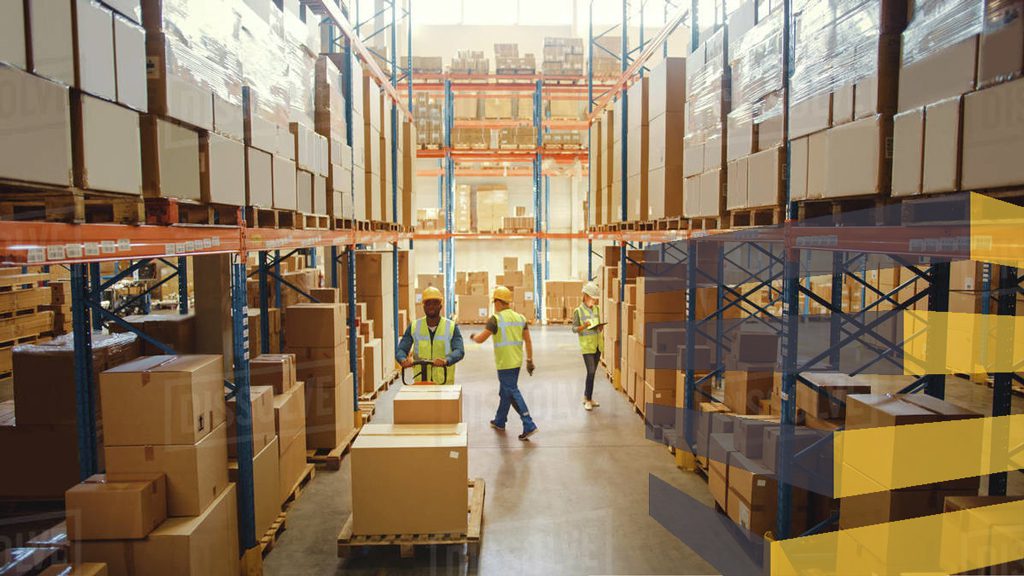
Before implementing any security measures, conducting a thorough security assessment is essential. This evaluation helps identify vulnerabilities and risks specific to your warehouse. Begin by assessing the physical layout, entry points, and existing security protocols. Evaluate the effectiveness of current measures and identify areas for improvement.
A comprehensive security assessment should involve both internal and external audits. Internal audits focus on employee compliance and internal threats, while external audits evaluate physical security measures and potential external threats. By identifying these vulnerabilities, you can develop a targeted security plan tailored to your warehouse’s unique needs.
-
Install Advanced Surveillance Systems
Advanced surveillance systems are a cornerstone of Effective Warehouse Security. High-resolution cameras strategically placed around the warehouse can deter potential thieves and monitor activities in real-time. Integrate these cameras with monitoring systems to ensure continuous surveillance and quick response to any suspicious activity.
Regular maintenance and upgrades of surveillance systems are crucial to ensure they function optimally. Invest in systems with remote access capabilities, allowing you to monitor your warehouse from anywhere. Additionally, consider integrating video analytics to enhance detection and response capabilities, making your surveillance system more robust.
-
Implement Access Control Measures
Controlling access to your warehouse is vital for preventing unauthorized entry and protecting sensitive areas. Implementing access control systems, such as key cards or biometric scanners, ensures that only authorized personnel can enter the premises. Manage access levels based on job roles, restricting entry to critical areas to only those who need it.
Regularly update access control lists and conduct audits to ensure compliance. Train employees on the importance of following access protocols and report any suspicious activities. Access control measures not only enhance security but also provide valuable data on personnel movements, which can be useful in investigations and audits.
-
Secure the Perimeter
A secure perimeter is your first line of defense against external threats. Install effective fencing and barriers to prevent unauthorized access. Consider using motion detectors and alarm systems to detect any breach attempts. Regularly inspect the perimeter for vulnerabilities and repair any damages promptly.
Integrating perimeter security with your overall security system enhances its effectiveness. Motion detectors can trigger alarms and activate surveillance cameras, providing real-time alerts. Additionally, maintaining a well-lit perimeter deters potential intruders and makes it easier to identify any suspicious activities.
-
Optimize Lighting
Adequate lighting is essential for deterring criminal activities and ensuring visibility in critical areas. Install bright, energy-efficient lights in strategic locations, such as entry points, parking lots, and around the perimeter. Proper lighting not only enhances security but also improves safety for employees and visitors.
Energy-efficient lighting solutions, such as LED lights, offer long-term cost savings while providing effective illumination. Regularly inspect and maintain lighting fixtures to ensure they function correctly. Adequate lighting is a simple yet effective way to enhance warehouse security and create a safer environment.
-
Enhance Cybersecurity
In today’s digital age, protecting your warehouse’s digital assets is as important as securing physical goods. Implement robust cybersecurity measures to safeguard information systems and prevent data breaches. Use firewalls, antivirus software, and encryption to protect sensitive data.
Train employees in cybersecurity best practices, such as recognizing phishing attempts and using strong passwords. Conduct regular security audits and updates to ensure your systems are protected against the latest threats. Cybersecurity is an integral part of overall warehouse security, protecting both your data and your operations.
-
Establish a Security Policy and Protocols
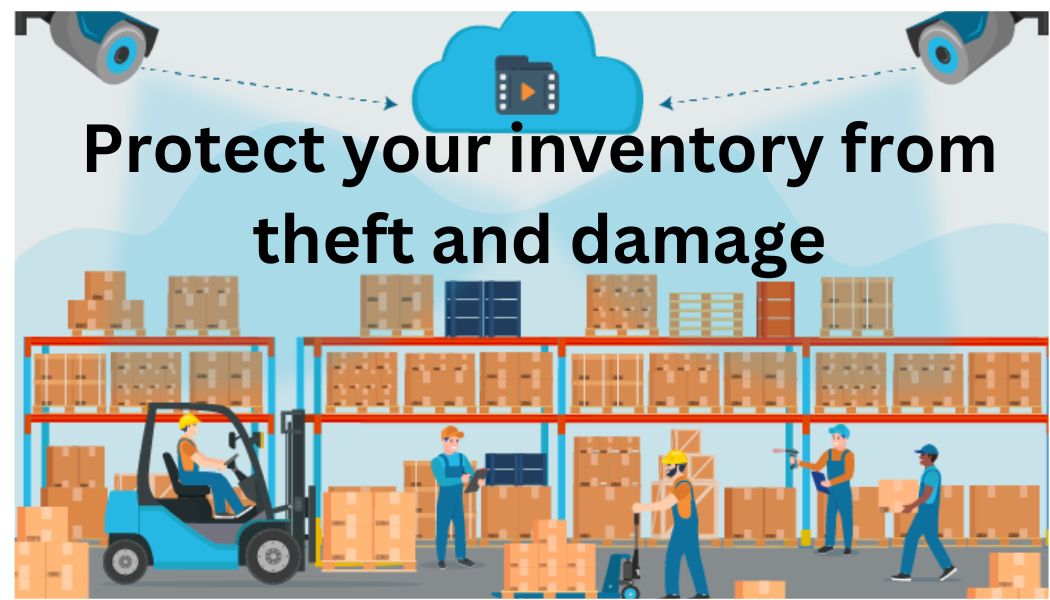 Developing a comprehensive security policy is crucial for standardizing security measures and ensuring consistency. This policy should outline procedures for access control, surveillance, incident response, and employee training. Clearly communicate these protocols to all employees and ensure they understand their roles and responsibilities.
Regularly review and update your security policy to adapt to new threats and changes in operations. Conduct training sessions to keep employees informed and prepared. A well-defined security policy not only enhances security but also fosters a culture of safety and accountability within the warehouse.
-
Use Security Patrol Services
Regular security patrols provide an additional layer of protection for your warehouse. Trained security personnel can deter potential threats, respond to incidents, and conduct routine inspections. Integrating patrol services with your surveillance systems enhances their effectiveness and ensures comprehensive coverage.
When choosing a Security Guard Company, ensure they have experience in warehouse security and a proven track-record. Regularly review their performance and provide feedback to ensure continuous improvement. Security Patrol Services offer an initiative-taking approach to warehouse security, enhancing both deterrence and response capabilities.
-
Implement Inventory Management Systems
Effective inventory management systems are essential for tracking and managing stock levels. These systems reduce the risk of internal theft by providing real-time data on inventory movements. Use barcodes, RFID tags, and automated systems to monitor stock levels and track discrepancies.
Regular audits and reconciliations help identify any inconsistencies and address potential issues promptly. Training employees on the importance of accurate inventory management ensures compliance and reduces the risk of errors. An efficient inventory management system enhances both security and operational efficiency.
-
Regularly Review and Update Security Measures
Security is an ongoing process that requires continuous improvement. Regularly review and update your security measures to adapt to new threats and technologies. Conduct periodic security audits to identify any gaps and implement necessary changes.
Stay informed about the latest security trends and best practices to ensure your warehouse remains protected. Engaging with security experts and attending industry conferences can provide valuable insights. By continuously improving your security measures, you can maintain a secure and resilient warehouse environment.
Customer Testimonies
Testimony 1: Enhanced Security Measures
“Our warehouse experienced a significant reduction in theft incidents after implementing advanced surveillance systems and access control measures recommended by Citywide Security Company. The peace of mind knowing our assets are protected is invaluable.” – John D., Warehouse Manager
Testimony 2: Improved Employee Safety
“Citywide Security helped us establish a comprehensive security policy that not only protects our assets but also ensures the safety of our employees. The training sessions provided were extremely beneficial, and our team feels much more secure.” – Sarah K., Operations Director
Testimony 3: Reduction in Theft Incidents
“Since partnering with Citywide Security, we’ve seen a dramatic decrease in theft and vandalism. Their expert recommendations and regular security patrols have made a huge difference. We couldn’t be happier with the results.” – Mike L., Facility Manager
Testimony 4: Seamless Integration of Surveillance Systems
“Citywide Security’s surveillance solutions were seamlessly integrated with our existing systems, providing comprehensive coverage and real-time monitoring. The quality of their service is top-notch, and we highly recommend them.” – Emily R., Security Coordinator
Testimony 5: Successful Partnership with Citywide Security
“Our partnership with Citywide Security has been a game-changer for our warehouse operations. Their expertise and dedication to enhancing our security have exceeded our expectations. We’re confident in the safety of our assets thanks to their efforts.” – David S., General Manager
Case Studies: Warehouse Security
Case Study 1: Large Retail Warehouse
Challenge: A large retail warehouse faced frequent theft and inventory discrepancies, impacting on their bottom line.
Solution: Citywide Security conducted a comprehensive assessment and implemented advanced surveillance systems, access control measures, and regular security patrols.
Results: The warehouse saw a 50% reduction in theft incidents and improved inventory accuracy. Employee confidence and safety also increased significantly.
Case Study 2: Manufacturing Facility
Challenge: A manufacturing facility struggled with unauthorized access and vandalism.
Solution: Citywide Security installed perimeter fencing, motion detectors, and enhanced lighting. They also developed a robust security policy and conducted employee training.
Results: The facility experienced a marked decrease in vandalism and unauthorized access, leading to smoother operations and reduced downtime.
Case Study 3: Distribution Center
Challenge: A distribution center required a comprehensive security overhaul due to frequent security breaches and internal theft.
Solution: Citywide Security implemented an integrated security system, including advanced surveillance, access control, and inventory management systems.
Results: The distribution center achieved a 60% reduction in security breaches and improved inventory management, resulting in increased operational efficiency.
Case Study 4: High-Value Goods Storage
Challenge: A warehouse storing high-value goods needed specialized security measures to protect their assets.
Solution: Citywide Security provided tailored solutions, including biometric access control, high-resolution cameras, and regular security audits.
Results: The warehouse successfully protected their high-value inventory, preventing losses and enhancing their overall security posture.
Case Study 5: Multi-Site Warehouse Security Management
Challenge: A company managing multiple warehouse sites needed a coordinated security strategy.
Solution: Citywide Security developed a centralized security management plan, integrating surveillance and access control across all sites.
Results: The company experienced improved security coordination, reduced incidents, and streamlined operations across all locations.
Frequently Asked Questions (FAQs) – Warehouse Security
FAQ 1: What Are the Most Common Security Threats to Warehouses?
The most common security threats to warehouses include theft, vandalism, unauthorized access, and cyber-attacks. These threats can result in significant financial losses and operational disruptions if not properly addressed.
FAQ 2: How Often Should We Review Our Warehouse Security Measures?
It is recommended to review Warehouse Security measures at least annually. However, conducting more frequent reviews, such as quarterly or semi-annually, can help identify and address vulnerabilities promptly, ensuring continuous protection.
FAQ 3: What Type of Surveillance System Is Best for Warehouses?
The best surveillance system for warehouses typically includes high-resolution cameras, remote monitoring capabilities, and video analytics. These systems provide comprehensive coverage, real-time alerts, and valuable data for security audits and investigations.
FAQ 4: How Can We Ensure Employee Compliance with Security Protocols?
Ensuring employee compliance with security protocols involves regular training, clear communication of policies, and ongoing monitoring. Encourage a culture of security awareness and provide incentives for compliance to foster adherence to security measures.
FAQ 5: What Should Be Included in A Warehouse Security Policy?
A comprehensive warehouse security policy should include procedures for access control, surveillance, incident response, employee training, and regular audits. It should outline roles and responsibilities, ensuring all employees understand and follow the protocols.
Get a Free Security Assessment
Protect your assets with a complimentary security assessment from Citywide Security. Contact us today to schedule your free evaluation and enhance your warehouse security.
Schedule a Consultation with Our Experts
Book a consultation with our security experts to discuss your unique needs and develop a tailored security plan. Click here to schedule your session.
Follow Us on Social Media
Connect with us on social media for real-time updates and engaging content. Follow us on Facebook, Twitter, and LinkedIn to stay in the loop